


About Chess History
Chess, a timeless intellectual pursuit, emerged in India around the 6th century as chaturanga, a strategic game mirroring ancient warfare with infantry, cavalry, elephants, and chariots. By the 7th century, it reached Persia as shatranj, flourishing across the Islamic world through Arab conquests. By the 10th century, chess entered Europe via Spain and Sicily, transforming in the 15th century when the queen and bishop gained their modern powers, making the game faster and more dynamic.
The first international chess tournament in London in 1851 heralded the era of competitive play. In 1886, Wilhelm Steinitz became the first official World Chess Champion, and in 1924, FIDE standardized the rules. Over centuries, legendary players like Emanuel Lasker, José Raúl Capablanca, Garry Kasparov, and Magnus Carlsen redefined chess with their positional, tactical, and dynamic styles.
In the 20th century, chess became a Cold War battleground, with matches like Fischer vs. Spassky (1972) captivating the world. Today, chess thrives on online platforms, powered by AI like Deep Blue and Stockfish, and driven by prodigies like D Gukesh, who became the youngest world champion in 2024 at age 18. Chess remains a universal language of strategy, creativity, and competition.
Chess Pieces: History and Functions
The chess pieces have evolved from their ancient origins in chaturanga, where they represented military units, to their modern forms with unique movements and strategic roles. Each piece embodies a blend of historical symbolism and tactical power, contributing to the game's depth and appeal.
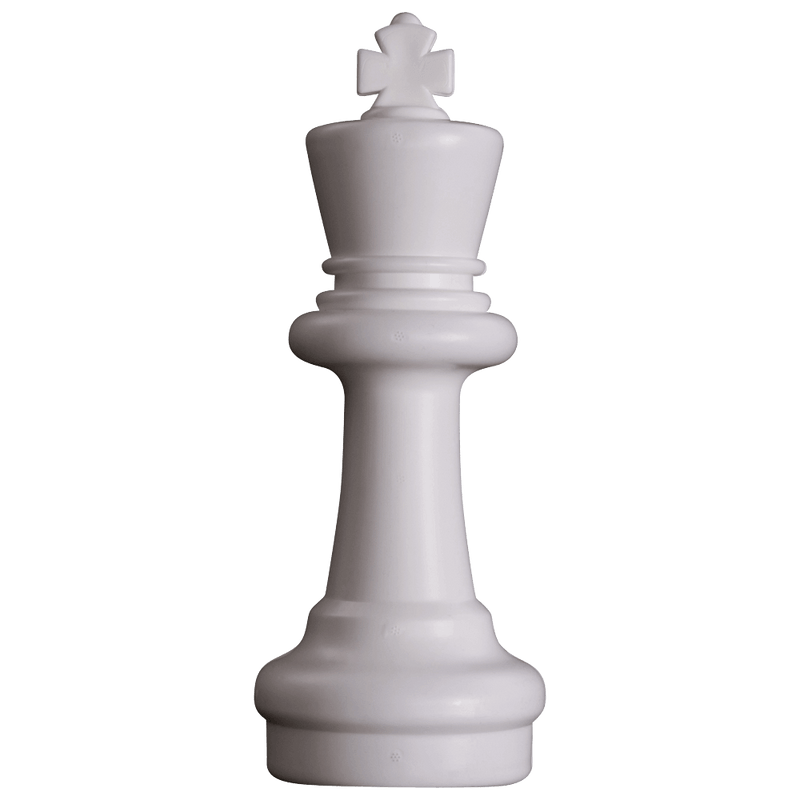
King
The king, symbolizing the ruler in ancient warfare, moves one square in any direction. Its primary function is survival, as the game ends when it is checkmated. Historically, it was the general in chaturanga, emphasizing protection and limited mobility.

Queen
The queen, the most powerful piece, moves any number of squares vertically, horizontally, or diagonally. It evolved from the weaker vizier in shatranj, gaining strength in the 15th century. Its versatility makes it central to attacks and defenses.

Rook
The rook moves any number of squares along ranks or files, representing the chariot in early games. It is crucial for controlling open lines and castling with the king, providing strong endgame power.
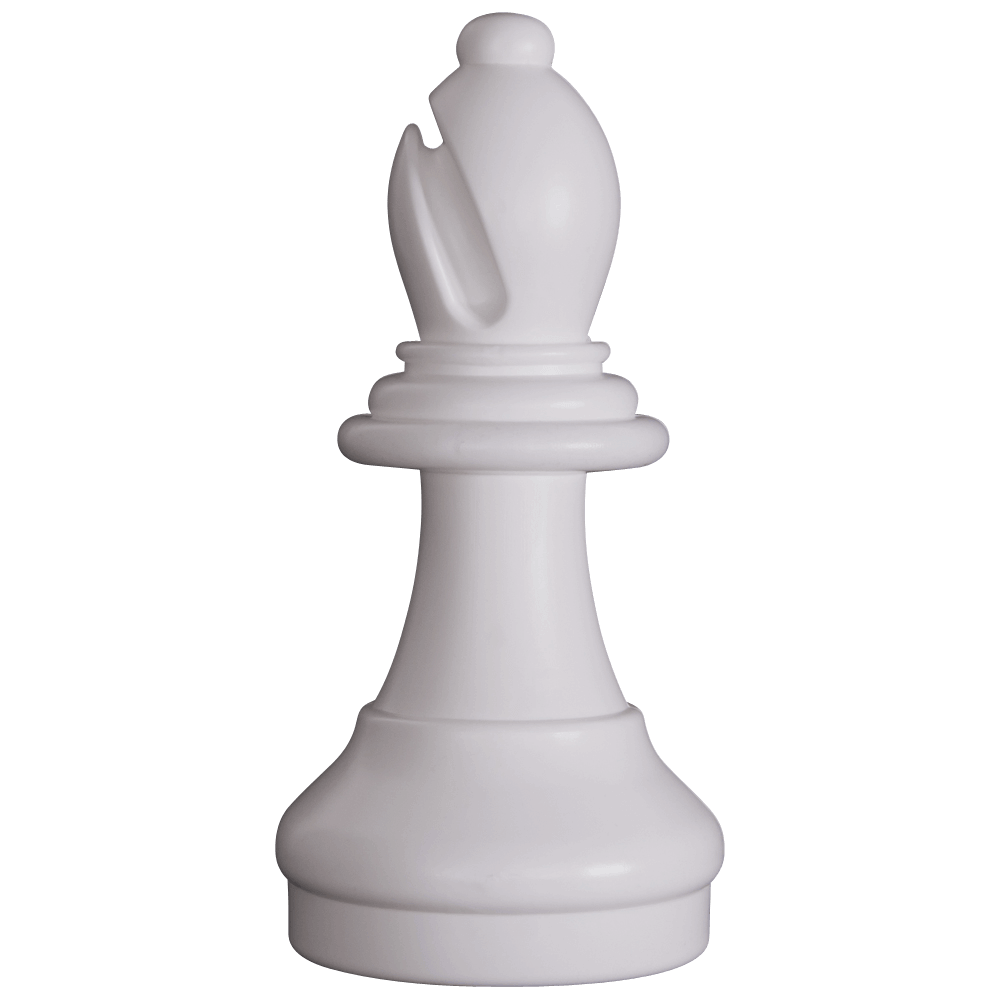
Bishop
The bishop moves diagonally any number of squares, originating from the elephant in chaturanga. Confined to one color, it excels in open positions and pairs well for controlling the board.
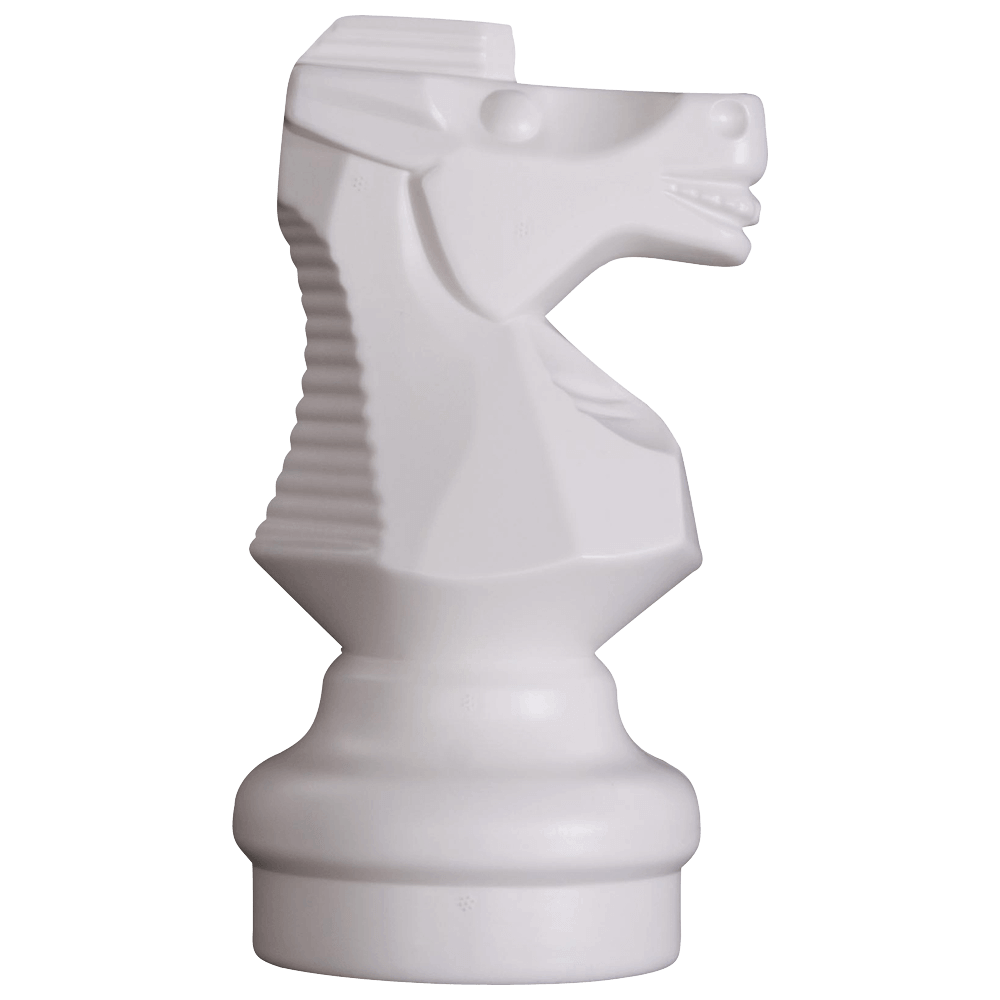
Knight
The knight moves in an L-shape, jumping over pieces, derived from cavalry. Its unique movement allows it to attack unexpectedly, making it valuable in closed positions.
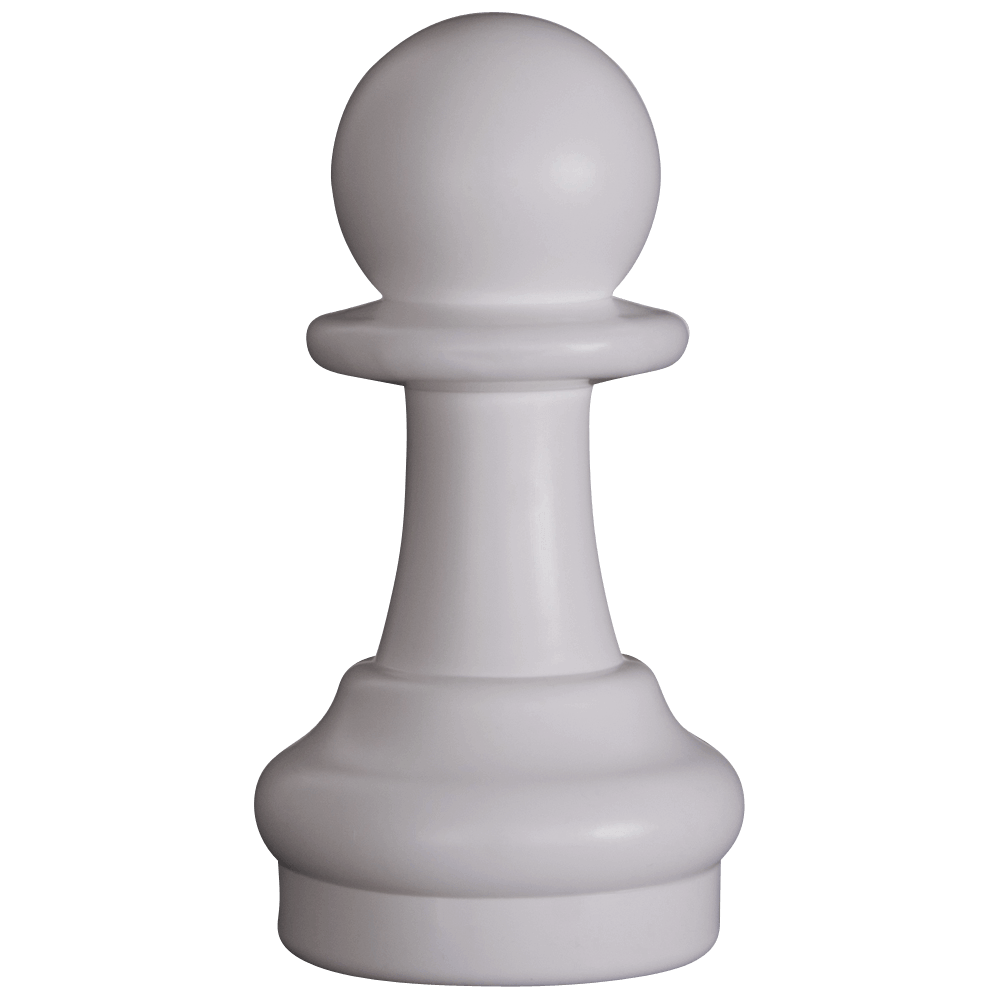
Pawn
The pawn, representing infantry, moves forward one square but captures diagonally. It can advance two squares initially and promotes upon reaching the opposite rank, offering potential for transformation.
World Chess Champions
Wilhelm Steinitz (1886–1894)
Wilhelm Steinitz (1836–1900), Austrian-American, first official champion 1886-1894. Became champion by defeating Zukertort in 1886. Lost title to Lasker in 1894. Known as the father of modern positional chess. Best game: Steinitz vs von Bardeleben (1895).
Learn more
Emanuel Lasker (1894–1921)
Emanuel Lasker (1868-1941), German, champion 1894-1921. Defeated Steinitz. Lost to Capablanca. Longest reign, psychological approach. Best: Lasker vs Bauer (1889).
Learn more
José Raúl Capablanca (1921–1927)
José Raúl Capablanca (1888-1942), Cuban, 1921-1927. Defeated Lasker. Lost to Alekhine. Endgame master. Best: Capablanca vs Marshall (1918).
Learn more
Alexander Alekhine (1927–1935, 1937–1946)
Alexander Alekhine (1892-1946), Russian-French, 1927-1935, 1937-1946. Defeated Capablanca. Lost briefly to Euwe. Aggressive style. Best: Alekhine vs Bogoljubov (1922).
Learn more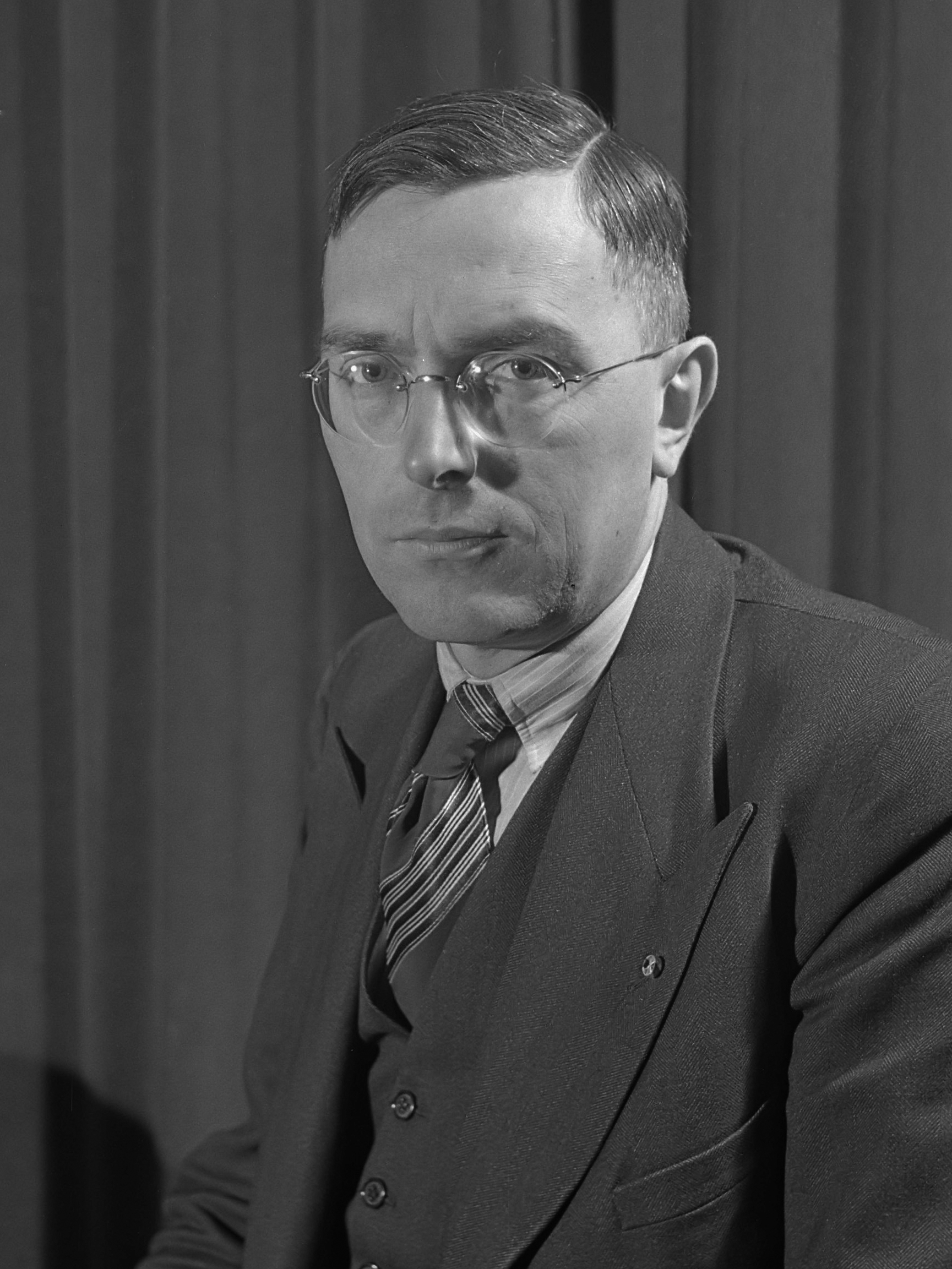
Max Euwe (1935–1937)
Max Euwe (1901-1981), Dutch, 1935-1937. Defeated Alekhine. Lost back to Alekhine. Mathematician. Best: Euwe vs Alekhine (1935).
Learn more
Mikhail Botvinnik (1948–1957, 1958–1960, 1961–1963)
Mikhail Botvinnik (1911-1995), Soviet, 1948-1957, 1958-1960, 1961-1963. Won FIDE tournament in 1948. Lost and regained title multiple times. Scientific approach. Best: Botvinnik vs Capablanca (1938).
Learn more
Vasily Smyslov (1957–1958)
Vasily Smyslov (1921-2010), Soviet, 1957-1958. Defeated Botvinnik. Lost rematch. Harmonious style. Best: Smyslov vs Botvinnik (1957).
Learn more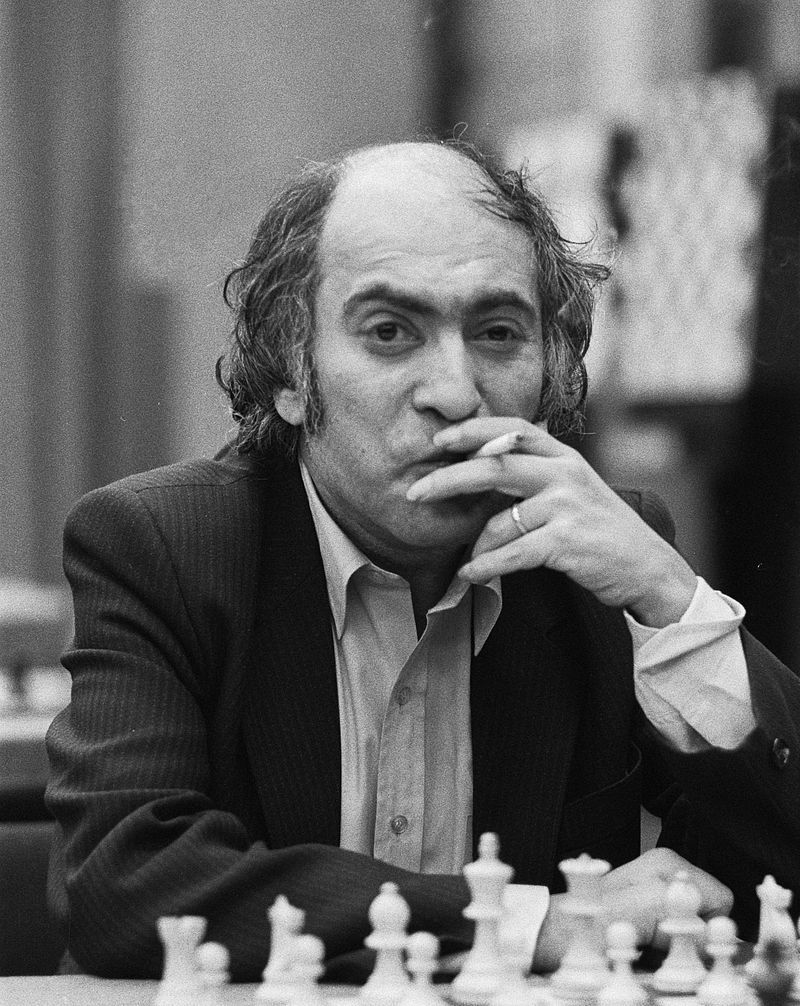
Mikhail Tal (1960–1961)
Mikhail Tal (1936-1992), Soviet, 1960-1961. Defeated Botvinnik with attacks. Lost rematch. "Magician from Riga". Best: Tal vs Botvinnik (1960 Game 6).
Learn more
Tigran Petrosyan (1963–1969)
Tigran Petrosyan (1929-1984), Soviet, 1963-1969. Defeated Botvinnik and Spassky. Lost to Spassky. Defensive master. Best: Petrosian vs Spassky (1966).
Learn more
Boris Spassky (1969–1972)
Boris Spassky (1937-), Soviet, 1969-1972. Defeated Petrosian. Lost to Fischer. Versatile player. Best: Spassky vs Fischer (1972 Game 6).
Learn more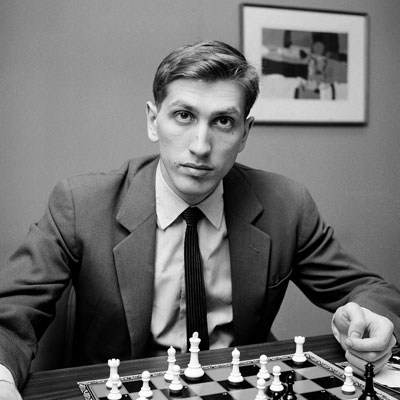
Bobby Fischer (1972–1975)
Bobby Fischer (1943-2008), American, 1972-1975. Defeated Spassky. Forfeited title. Prodigy. Best: Fischer vs Spassky (1972 Game 13).
Learn more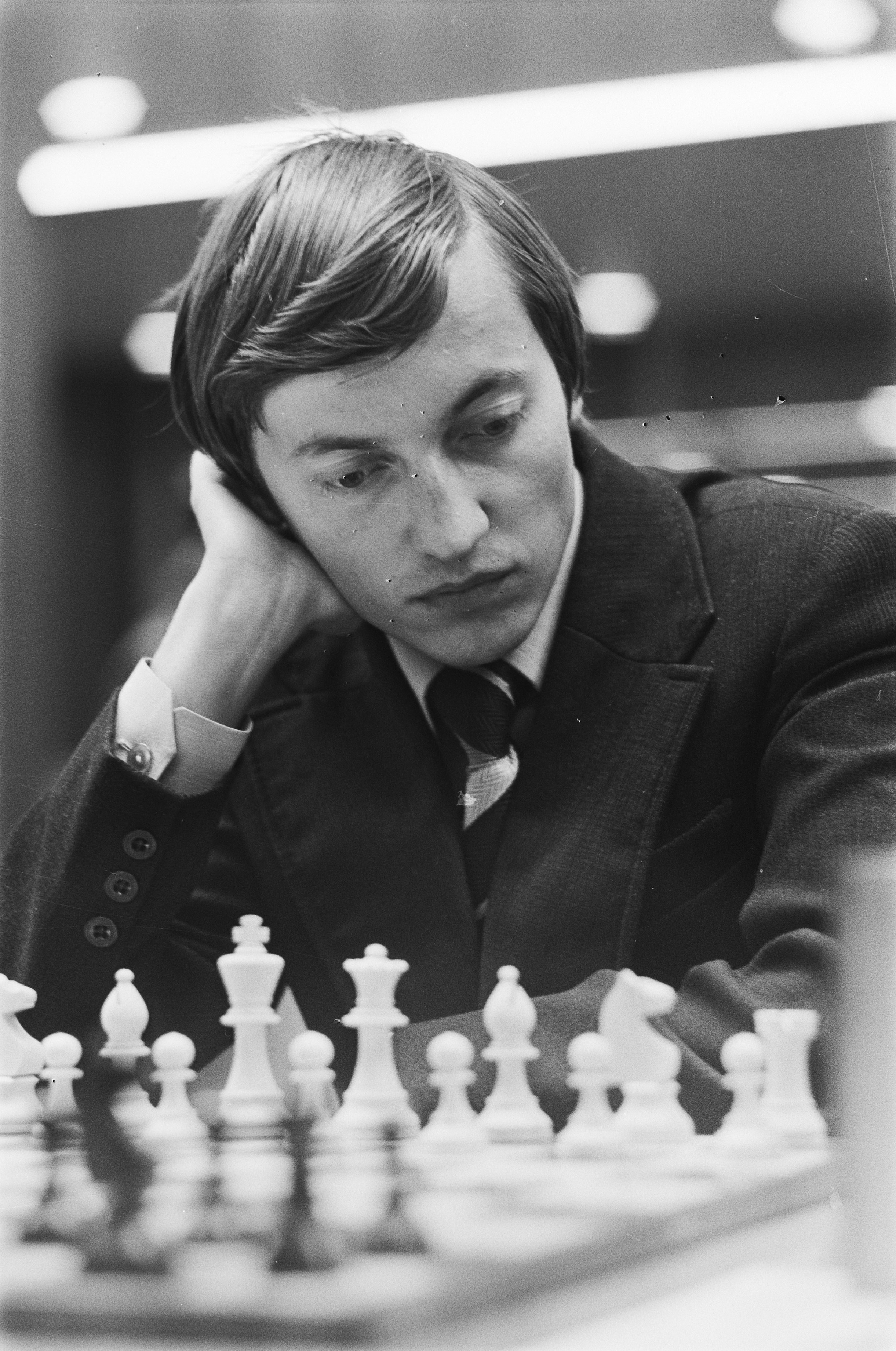
Anatoly Karpov (1975–1985)
Anatoly Karpov (1951-), Soviet, 1975-1985. Ascended by default. Defended vs Korchnoi. Lost to Kasparov. Best: Karpov vs Kasparov (1985 Game 16).
Learn more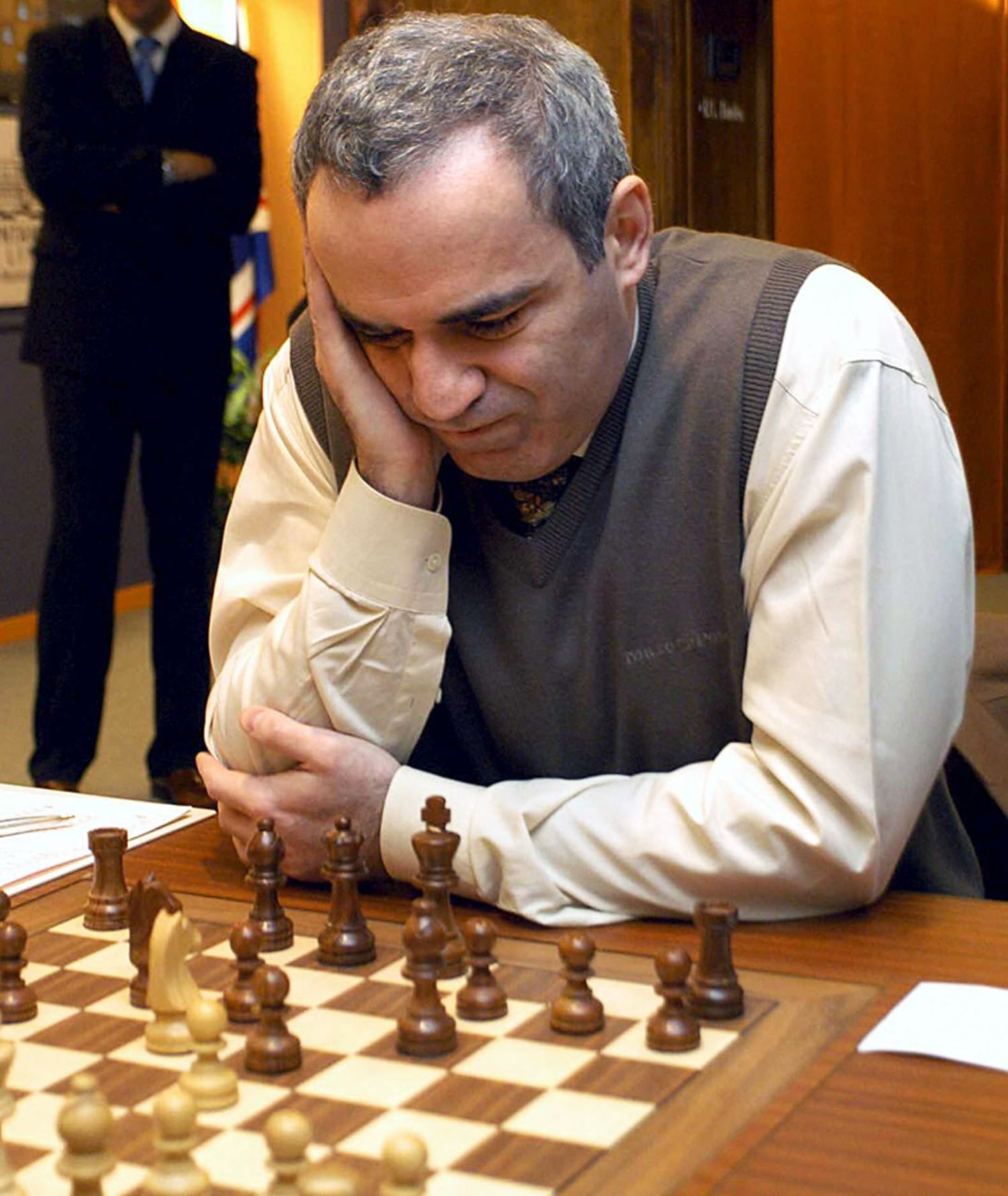
Garry Kasparov (1985–2000)
Garry Kasparov (1963-), Soviet/Russian, 1985-2000. Defeated Karpov. Abdicated. Dynamic. Best: Kasparov vs Topalov (1999).
Learn more
Vladimir Kramnik (2000–2007)
Vladimir Kramnik (1975-), Russian, 2000-2007. Defeated Kasparov. Reunified title. Lost to Anand. Best: Kramnik vs Kasparov (2000 Game 2).
Learn more
Viswanathan Anand (2007–2013)
Viswanathan Anand (1969-), Indian, 2007-2013. Defeated Kramnik. Lost to Carlsen. Rapid specialist. Best: Anand vs Kramnik (2008).
Learn more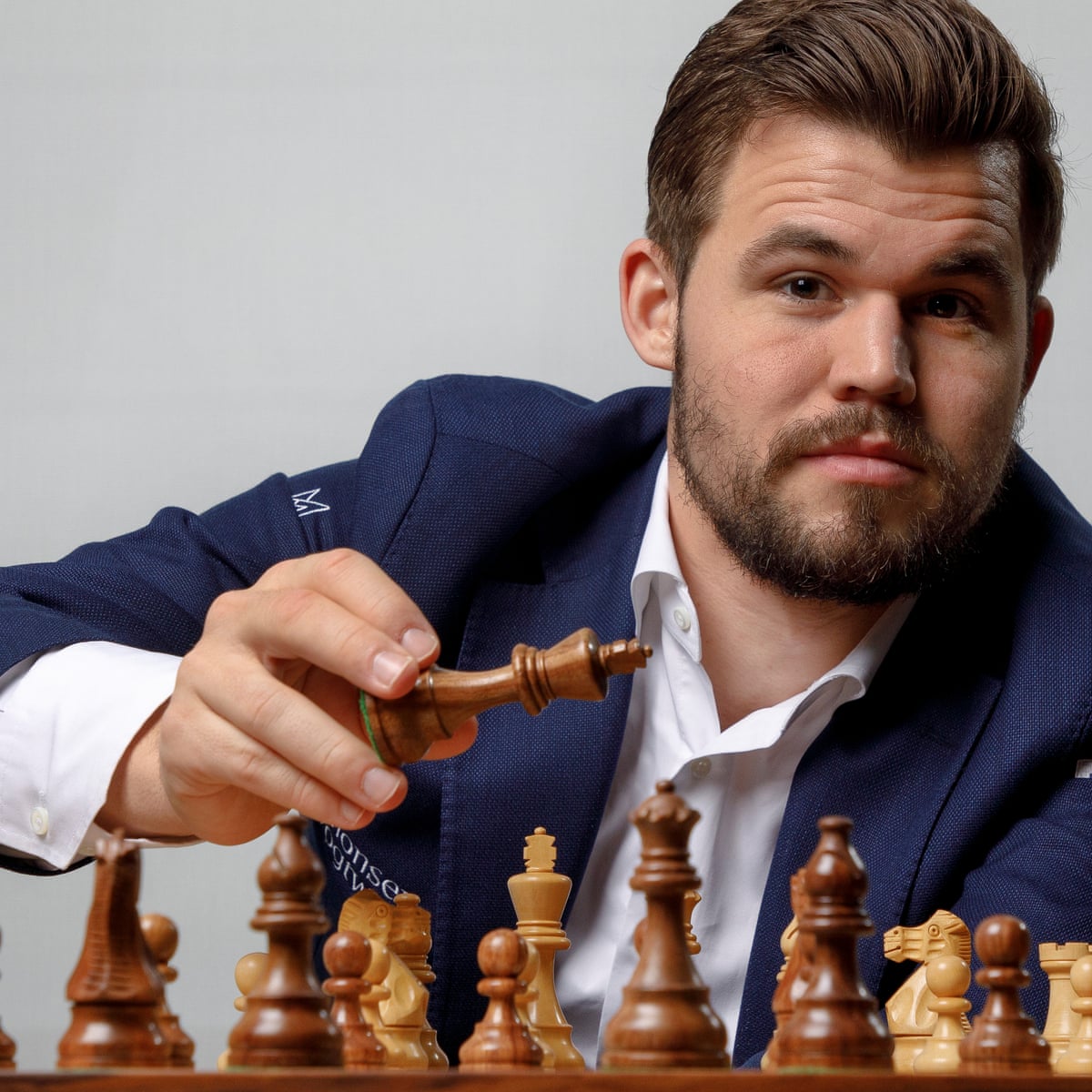
Magnus Carlsen (2013–2023)
Magnus Carlsen (1990-), Norwegian, 2013-2023. Defeated Anand. Abdicated. Versatile. Best: Carlsen vs Anand (2013 Game 9).
Learn more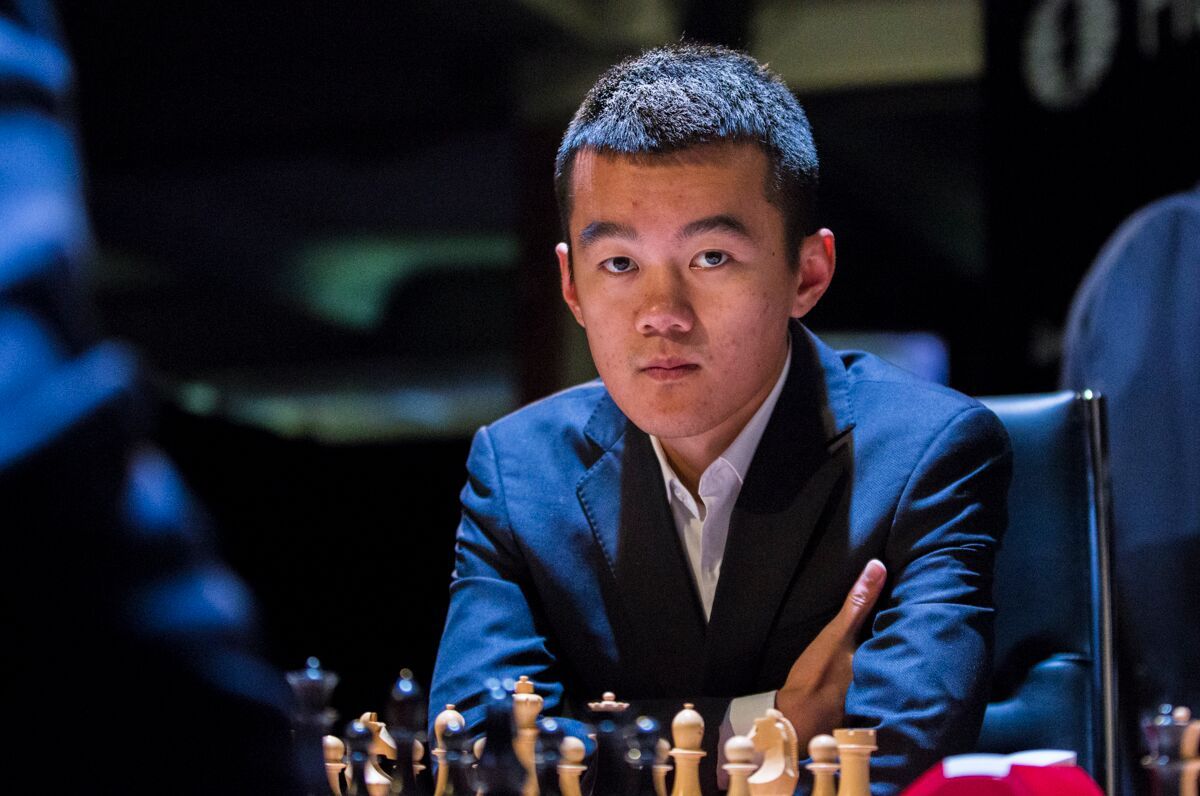
Ding Liren (2023–2024)
Ding Liren (1992-), Chinese, 2023-2024. Defeated Nepomniachtchi. Lost to Gukesh. Solid. Best: Ding vs Nepomniachtchi (2023 Game 14).
Learn more
D Gukesh (2024–present)
D Gukesh (2006-), Indian, 2024-present. Defeated Ding Liren. Youngest champion. Best: Gukesh vs Caruana (2022).
Learn more